Travel eSIM Guides
Best eSIM for Seafarers in 2026: The Complete Guide to Staying Connected Worldwide
Jun 28, 2026 · 9 min read
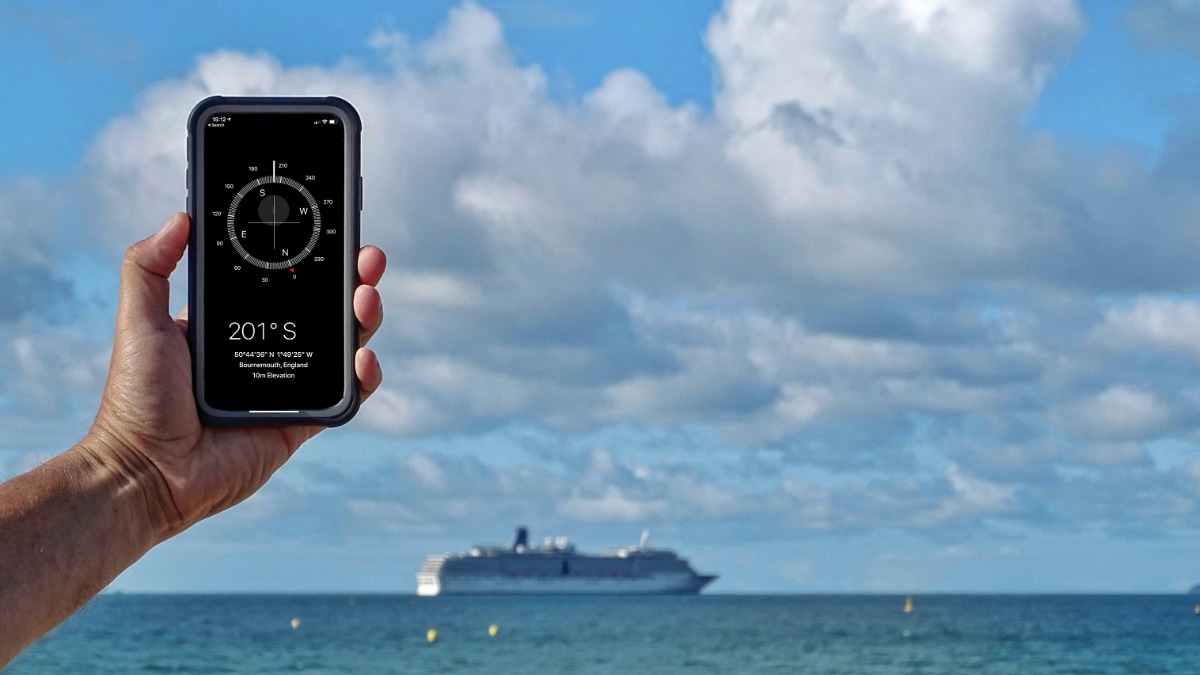
If you're looking for the best eSIM for seafarers, you're probably preparing for your next voyage or looking for an easier way to stay connected while travelling between international ports. Although many vessels now offer onboard internet through services like Starlink Maritime, mobile data is still invaluable once you're ashore. Whether you're calling family, booking a taxi, using Google Maps, checking your bank account, or simply exploring a new city during your shore leave, having fast and reliable mobile data makes life much easier.
Imagine this.
Your ship has just docked in Singapore after two weeks at sea. You have only a few hours before reporting back onboard. Your family is waiting for your call, you need to reply to WhatsApp messages, approve a banking transaction, and find the quickest way into the city. Instead of wasting precious time searching for a local SIM card, your phone is already connected because your eSIM was activated before you arrived.
That's exactly why more merchant navy officers, cruise ship crew, offshore workers, and Filipino seafarers are switching to eSIM technology. It eliminates the hassle of buying a new SIM card in every country and lets you stay connected wherever your journey takes you.
Why Connectivity Matters at Sea
Working at sea is very different from travelling for a holiday.
A tourist may visit one or two countries during a trip.
A seafarer might visit six countries in a single month.
Although internet access onboard has improved, satellite Wi-Fi is still expensive on many vessels and often comes with limited speeds or strict data allowances.
That's why shore leave has become the most important time for staying connected.
Most crew members use mobile data to:
- Call family and friends.
- Reply to WhatsApp messages.
- Access online banking.
- Receive verification codes (OTPs).
- Book taxis using Uber or Grab.
- Navigate unfamiliar cities with Google Maps.
- Watch YouTube or Netflix before sailing again.
- Download podcasts, music, or movies.
- Shop online.
- Check emails or company updates.
Those few hours ashore often become the only opportunity to complete important personal tasks.
Reliable mobile internet makes a huge difference.
Why Local SIM Cards Aren't Ideal
Buying a local SIM card works—but only until your next destination.
Imagine your current contract includes ports in:
- Singapore
- Busan
- Tokyo
- Sydney
- Dubai
- Rotterdam
- Manila
Every stop usually means repeating the same process:
- Find a mobile shop.
- Compare different prepaid plans.
- Register your passport if required.
- Remove your current SIM.
- Insert another SIM.
- Save the old SIM somewhere safe.
- Repeat everything again in the next country.
After several months, many seafarers end up carrying SIM cards from half a dozen countries.
It becomes difficult to remember which one still has credit, which number belongs to which country, and where each SIM card is stored.
Roaming is another option, but international roaming charges can become surprisingly expensive, especially if you stream videos or make long video calls home.
This is exactly why the best eSIM for seafarers has become such a popular alternative.
What Is an eSIM?
An eSIM, or Embedded SIM, is a digital SIM card built directly into your smartphone.
Instead of inserting a physical SIM card, you simply purchase a data plan online and activate it using a QR code.
The entire process usually takes less than five minutes.
Most newer smartphones already support eSIM technology, including:
- iPhone XS and newer
- Samsung Galaxy S20 and newer
- Google Pixel devices
- Many Xiaomi, Huawei, and Motorola models
Once activated, your phone connects to local mobile networks just like a traditional SIM card—but without ever needing to open your SIM tray.
eSIM vs Physical SIM
For someone who travels once a year, changing SIM cards might not be a major inconvenience.
For seafarers who move between countries every few weeks, it's a completely different story.
| Feature | eSIM | Physical SIM |
|---|---|---|
| Buy Online Before Arrival | ✅ | ❌ |
| Instant Activation | ✅ | ❌ |
| No SIM Swapping | ✅ | ❌ |
| Keep Your Home Number | ✅ | Limited |
| Multiple Country Coverage | ✅ | Usually No |
| Easy to Switch Plans | ✅ | ❌ |
The biggest advantage is convenience.
You can purchase your plan before your ship arrives, activate it in minutes, and be online as soon as you step ashore.
What Makes the Best eSIM for Seafarers?
Not every eSIM provider is the same.
When comparing providers, focus on these five features.
1. Coverage
The best eSIM for seafarers should cover the countries you visit most often.
If your routes include Europe, Asia, Australia, or North America, regional plans are often the most cost-effective option.
2. Instant Delivery
Time ashore is limited.
Look for providers that send your QR code immediately after payment so you can connect without delay.
3. Flexible Plans
Some crew members only need enough data for messaging and maps.
Others regularly upload videos, join video calls, or stream entertainment.
Having multiple plan sizes allows you to buy only what you need.
4. Reliable Networks
The cheapest option isn't always the best.
Reliable partnerships with local carriers usually provide faster speeds and better coverage.
5. Transparent Pricing
Choose a provider that clearly displays:
- Data allowance
- Validity
- Supported countries
- Network information
- Total price
before you complete your purchase.
Best eSIM for Filipino Seafarers
The Philippines supplies one of the largest maritime workforces in the world.
If you're searching for the best eSIM for Filipino seafarers or the best eSIM for seafarers Philippines, flexibility is often more important than simply finding the cheapest plan.
Many Filipino crew members visit multiple countries during the same contract.
Instead of purchasing new SIM cards in every destination, an eSIM allows you to activate a country or regional plan within minutes while keeping your Philippine SIM active for banking, OTP verification, and important calls from home.
For many crew members, that convenience alone makes eSIM the preferred choice.
What Seafarers on Reddit Recommend
If you've searched for "best eSIM for seafarers Reddit", you'll notice one thing immediately: most experienced crew members don't recommend a single provider—they recommend choosing the right type of plan.
Across maritime forums and Reddit discussions, the same advice appears repeatedly.
- Buy your eSIM before leaving the ship.
- Avoid airport SIM cards whenever possible.
- Keep your home SIM active for OTPs and banking.
- Choose regional plans if you're visiting multiple countries.
- Check that your phone supports eSIM before purchasing.
- Compare coverage, not just price.
Many seafarers also point out that while the cheapest plan might save a few dollars, poor network coverage can quickly become frustrating when you only have a few hours ashore.
The best eSIM for seafarers is the one that works reliably where your ship actually docks.
Choosing the Right eSIM Based on Your Sailing Route
Not every seafarer follows the same route.
If you mainly sail within one region, a regional eSIM usually offers better value than buying individual country plans.
| Sailing Route | Recommended eSIM |
|---|---|
| Europe | Europe eSIM |
| Southeast Asia | Asia eSIM |
| North America | North America eSIM |
| Middle East | Country-specific or Global eSIM |
| Worldwide Contracts | Global eSIM |
For example, if your vessel regularly docks in Rotterdam, Hamburg, Antwerp, and Barcelona, a Europe eSIM can keep you connected across multiple countries without changing plans.
Likewise, if your contracts include Singapore, Japan, South Korea, and the Philippines, an Asia eSIM is often the smarter choice.
Five Common Mistakes Seafarers Make
Many first-time eSIM users make small mistakes that are easy to avoid.
1. Buying an Airport SIM Card
Airport kiosks are convenient but often charge significantly higher prices than online eSIM providers.
Buying your eSIM before your journey usually gives you better value and lets you connect the moment you arrive.
2. Waiting Until You Reach Port
Installing an eSIM only takes a few minutes.
Doing it before your ship arrives means you can start using data immediately instead of spending your shore leave looking for a telecom store.
3. Ignoring Regional Plans
Many crew members buy separate country plans without realizing a regional plan would cover their entire route.
If you're visiting several countries during one contract, regional coverage is usually more convenient and often more economical.
4. Forgetting to Check Phone Compatibility
Although most modern smartphones support eSIM, older models may not.
Always confirm compatibility before purchasing.
5. Buying More Data Than You Need
Not everyone needs 20 GB of data.
If your main activities are messaging, maps, and browsing, a smaller plan can often be enough.
Choose a plan that matches your usage rather than simply buying the largest package available.
Is an eSIM Worth It for Seafarers?
For most maritime professionals, the answer is yes.
Instead of carrying multiple SIM cards or paying expensive roaming charges, an eSIM lets you:
- Purchase data before arriving.
- Stay connected across multiple countries.
- Keep your primary phone number active.
- Switch plans digitally.
- Avoid searching for local telecom stores.
For anyone who regularly works onboard ships, it's one of the simplest ways to stay connected during shore leave.
Frequently Asked Questions
What is the best eSIM for seafarers?
The best eSIM for seafarers depends on where your ship travels.
Look for a provider offering reliable coverage, flexible regional plans, transparent pricing, and instant activation.
What is the best eSIM for Filipino seafarers?
Many Filipino crew members travel across Asia, Europe, and the Middle East during the same contract.
Choosing a provider with regional and global plans offers more flexibility than purchasing local SIM cards in every destination.
Can I use one eSIM in multiple countries?
Yes.
Many regional and global eSIM plans allow you to stay connected across several countries without changing SIM cards.
Does an eSIM work while the ship is at sea?
Generally, no.
An eSIM connects to terrestrial mobile networks and works when you're near the coastline or docked at a port.
While sailing in open waters, internet access usually depends on the ship's satellite connection.
Can I keep my existing SIM card?
Yes.
Most eSIM-compatible smartphones support Dual SIM, allowing you to keep your home SIM active for calls, SMS, and OTP verification while using your eSIM for mobile data.
Is an eSIM difficult to install?
Not at all.
Most providers simply email you a QR code after purchase.
Scan the code, follow the setup instructions, and your eSIM is usually ready within a few minutes.
Final Thoughts
Finding the best eSIM for seafarers isn't just about choosing the cheapest plan.
It's about finding a provider that makes staying connected easy, whether you're docking in Singapore, Rotterdam, Dubai, Sydney, Tokyo, or Manila.
A good eSIM should offer reliable coverage, transparent pricing, instant activation, and the flexibility to move between countries without constantly swapping physical SIM cards.
For many maritime professionals, that means spending less time dealing with connectivity issues and more time enjoying their well-earned shore leave.
If you're still comparing options, think about your typical sailing routes, how much data you actually use, and whether a regional or global plan will provide the best value for your next contract.
Stay Connected Wherever Your Voyage Takes You
Whether you're a merchant navy officer, cruise ship employee, engineer, cadet, or offshore worker, Mojo eSIM makes it easy to stay online wherever your journey leads.
With coverage across 200+ destinations, instant QR code delivery, and flexible country, regional, and global plans, you can activate your eSIM in minutes and stay connected as soon as you reach port.
Explore our travel eSIM plans and make your next voyage simpler, smarter, and more connected.