Travel eSIM Guides
eSIM vs Physical SIM: Which Is Better for International Travel?
Jun 21, 2026 · 5 min read
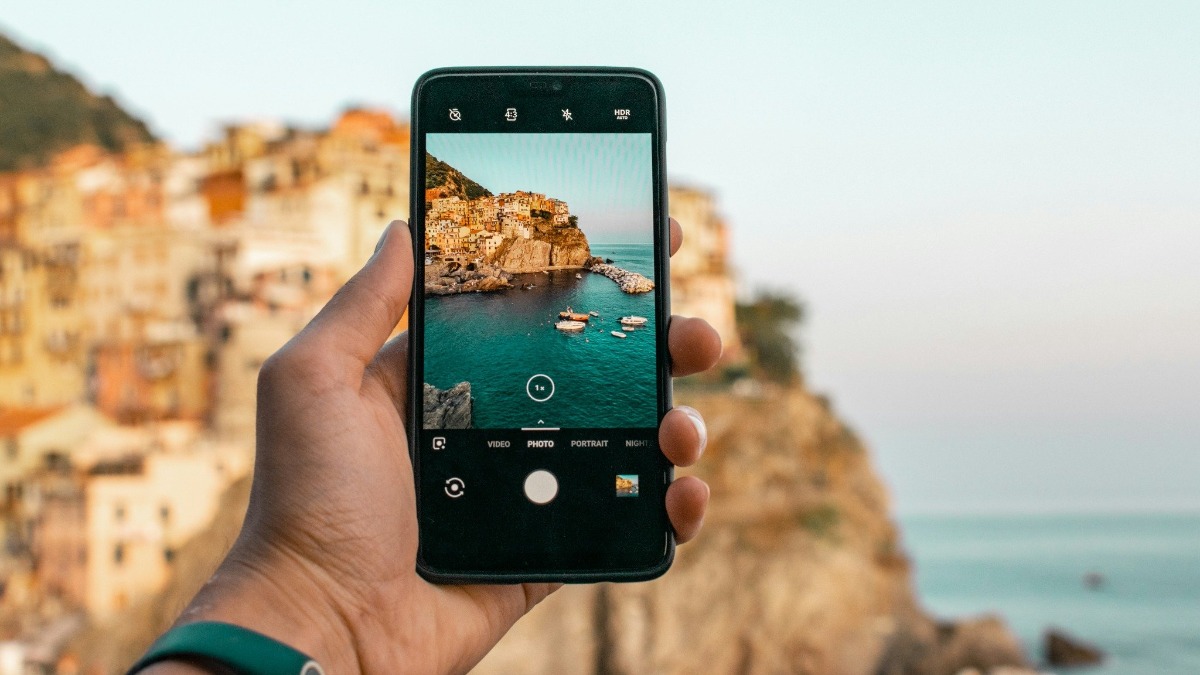
eSIM vs Physical SIM: Which Is Better for International Travel?
Staying connected while traveling has become just as important as booking flights or finding accommodation. Whether you're using Google Maps to navigate a new city, checking restaurant reviews, booking rides, or staying in touch with family, having reliable mobile data can make your trip significantly easier.
For years, travelers had two choices: use expensive international roaming or purchase a local SIM card after arriving. Today, there's a third option that's rapidly becoming the preferred choice for international travelers: the eSIM.
But is an eSIM always better than a physical SIM card? The answer depends on your travel style, destination, and how you plan to stay connected abroad.
Let's compare both options and see which one comes out on top.
What Is a Physical SIM?
A physical SIM card is the traditional chip inserted into your smartphone that connects it to a mobile network.
When traveling internationally, many people purchase local SIM cards to avoid roaming charges. This typically involves visiting a carrier store, airport kiosk, or convenience store after arriving at the destination.
Physical SIM cards have worked reliably for decades, but they aren't always the most convenient solution for modern travelers. Buying a SIM card in a foreign country can involve paperwork, language barriers, and time spent comparing plans.
For travelers visiting only one destination for a longer period, these challenges may not be a major issue. For those moving between multiple countries, however, things can become more complicated.
What Is an eSIM?
An eSIM, short for embedded SIM, is a digital SIM card built directly into your device.
Instead of inserting a physical card, you simply purchase a plan online and activate it using a QR code or an app. Within minutes, your device can connect to a local network without ever opening the SIM tray.
This convenience is one of the biggest reasons eSIM adoption has grown rapidly in recent years.
Many modern smartphones, including newer iPhone models, Samsung Galaxy devices, and Google Pixel phones, support eSIM technology.
The ability to install a travel plan before departure means you can land in a new country and access mobile data almost immediately.
eSIM vs Physical SIM: Quick Comparison
| Feature | eSIM | Physical SIM |
|---|---|---|
| Purchase Online | ✓ | Limited |
| Instant Activation | ✓ | ✗ |
| Requires SIM Swap | ✗ | ✓ |
| Keep Existing Number | ✓ | Limited |
| Multi-Country Coverage | ✓ | Depends |
| Risk of Loss | ✗ | ✓ |
| Best for Short Trips | ✓ | Sometimes |
| Best for Long-Term Stays | Sometimes | ✓ |
Which Is More Convenient for Travelers?
Convenience is often where eSIMs outperform traditional SIM cards.
Imagine arriving in a new country after a long flight. The last thing most travelers want is to spend time looking for a SIM card shop.
With an eSIM, your connectivity is ready before you even leave the airport. You can open maps, call a ride-share service, check hotel directions, and contact friends or family immediately.
Physical SIM cards require more effort. Depending on the country, you may need to locate a carrier store, present identification, complete registration requirements, and manually activate the service.
While this process isn't difficult, it can feel unnecessary when a digital alternative exists.
Which Option Is More Cost-Effective?
Both eSIMs and physical SIM cards can save travelers a significant amount of money compared to international roaming.
However, eSIMs often make price comparison easier. Since plans are purchased online, travelers can compare data allowances, validity periods, and coverage before making a purchase.
Physical SIM cards may offer attractive rates in certain countries, but pricing can vary depending on where you buy them. Airport kiosks often charge more than local carrier stores.
For short trips and vacations, many travelers find that eSIMs offer the best balance between affordability and convenience.
The Best Choice for Multi-Country Travel
This is where eSIM technology truly shines.
Suppose you're visiting France, Italy, Spain, and Germany during the same trip. With traditional SIM cards, you may need to purchase multiple plans or deal with varying roaming agreements.
A regional eSIM can often cover all those destinations under a single plan.
Benefits include:
- One activation for multiple countries
- No SIM swapping
- Consistent connectivity throughout the trip
- Easier plan management
This makes eSIMs particularly popular among backpackers, digital nomads, and business travelers.
Coverage and Network Quality
Some travelers assume that physical SIM cards automatically provide better network quality.
In reality, network performance depends on the carrier rather than the SIM technology itself.
Leading eSIM providers partner with established carriers around the world, providing access to reliable 4G LTE and 5G networks in many destinations.
Before purchasing any travel plan, review:
- Coverage maps
- Supported networks
- Data speeds
- Hotspot availability
- Fair usage policies
Doing so ensures you'll have the connectivity you need throughout your trip.
Security and Flexibility
Another advantage of eSIMs is flexibility.
Because the SIM is embedded into the device, there's no physical card to lose, damage, or misplace while traveling.
Many travelers also appreciate the ability to store multiple eSIM profiles on a single device and switch between them when needed.
This is particularly useful for frequent travelers who regularly visit different regions.
Pros and Cons of Each Option
eSIM Pros
- Instant activation
- No physical SIM swapping
- Works across multiple countries
- Easy online purchase
- Keep your primary number active
eSIM Cons
- Requires an eSIM-compatible device
- Some plans may be data-only
Physical SIM Pros
- Widely available
- Good option for long-term local stays
- Often includes a local phone number
Physical SIM Cons
- Requires manual SIM swapping
- Can be lost or damaged
- Less convenient for multi-country trips
Which Should You Choose?
Choose an eSIM if:
- You're taking a short trip
- You're visiting multiple countries
- You want instant connectivity
- You want to keep your existing number active
- You prefer managing plans digitally
Choose a physical SIM if:
- Your device doesn't support eSIM
- You're staying in one country for several months
- You need a permanent local phone number
Final Verdict
For most modern travelers, eSIMs offer the best combination of convenience, flexibility, and value.
The ability to purchase a plan online, activate it instantly, and stay connected across multiple destinations makes eSIM technology an excellent choice for international travel.
While physical SIM cards still have their place, especially for long-term stays, eSIMs are quickly becoming the preferred option for travelers who want a simpler way to stay connected abroad.
Ready for your next trip? Explore our international eSIM plans and stay connected wherever your travels take you.